
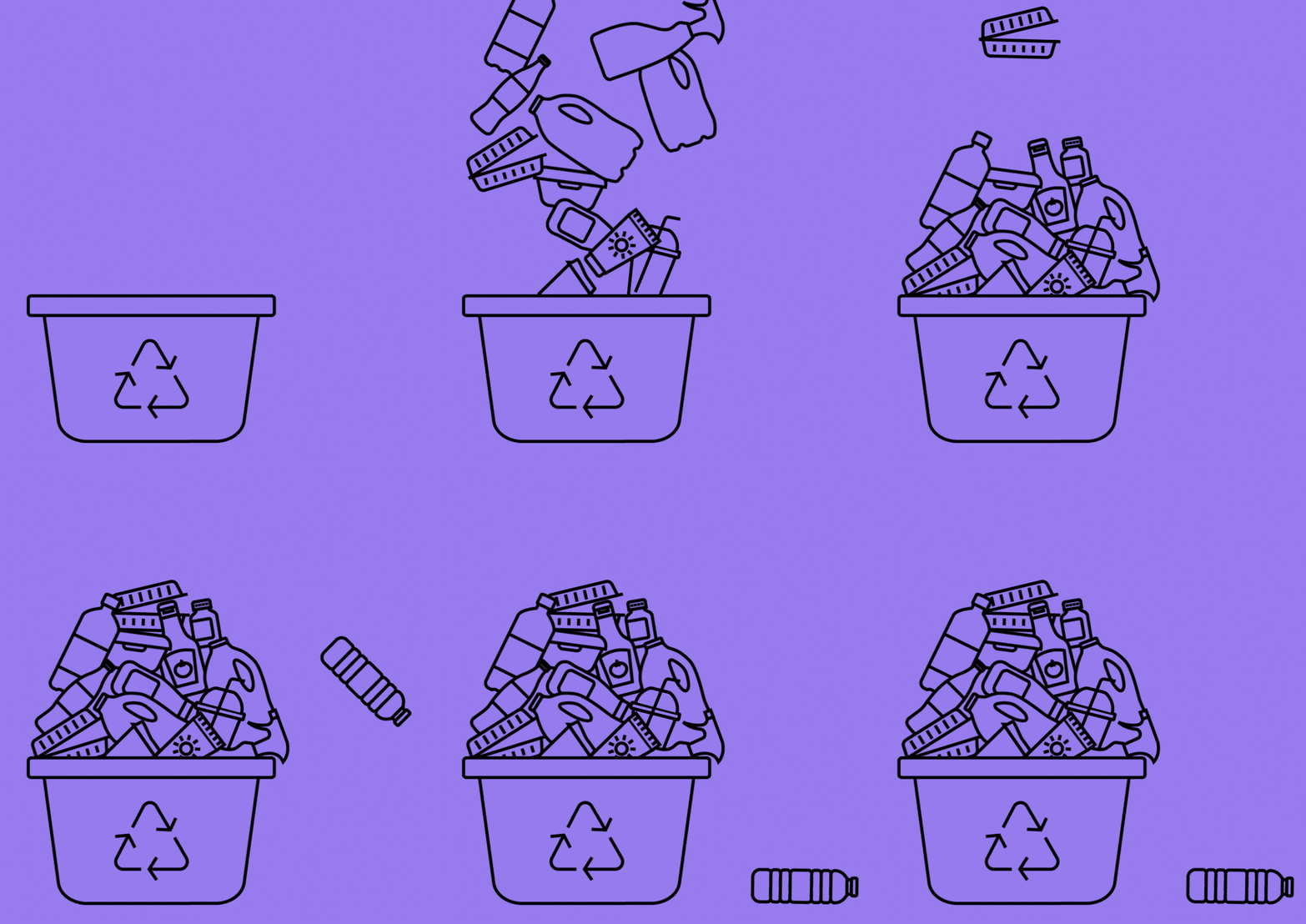
The world's plastic party is getting louder. Plastic use has nearly doubled since 2000, and the waste has more than doubled with it.
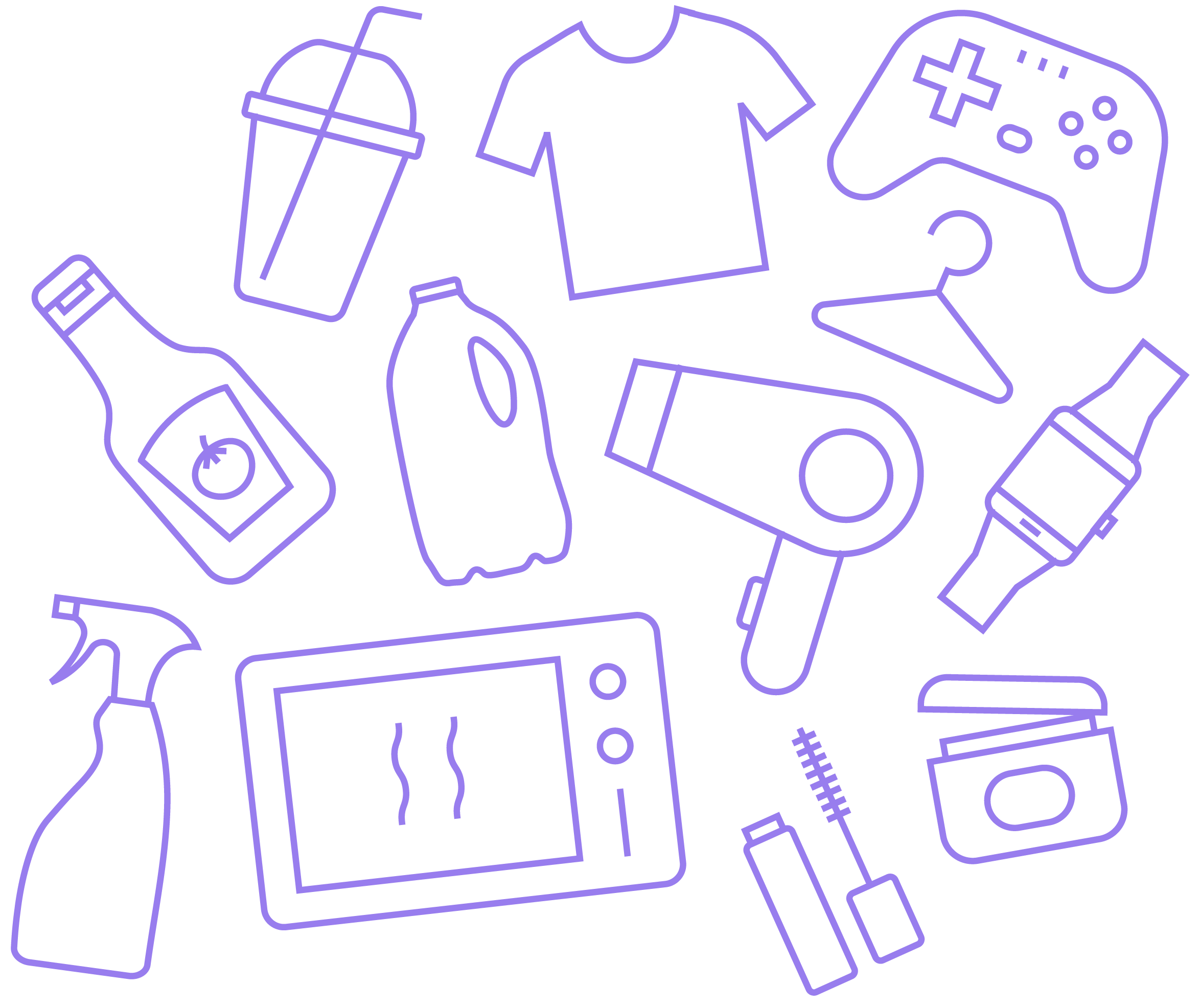
It's in our packaging, homes, clothes, vehicles and everything in between. Most of us do our bit at the kerb, without seeing the scale of what happens next.
More recycling can't happen until the economics stack up. used tips the scales, making used plastic work.
The numbers
353
million tonnes
Of plastic waste generated each year. More than twice as much as two decades ago. Plastic waste has grown faster than the systems built to manage it, driven largely by packaging and other items used once and thrown away.
almost
More plastic waste by 2060. Without major change, the world's plastic waste is on track to nearly triple to over a billion tonnes a year by 2060.
x3
9%
Is actually recycled globally. Less than one tenth of the world's plastic waste is recycled. Almost half goes to landfill, around a fifth is incinerated, and the rest is dumped, burned or leaked into the environment.
How it works: When recycling is 'too hard' or too expensive, we make it work.

Find it
We identify plastic that's headed for landfill and collect it, working with local collectors, councils and industry. We focus on plastic types that can be recycled repeatedly and have established end markets.

Process it
With established local recyclers, we weigh, wash, shred and flake the plastic so it can replace virgin material.
Use it
The recycled flake goes back into local manufacturing, displacing virgin plastic and keeping material in circulation close to where it was used.

Verify it
Every tonne is measured, tracked from collection through to reprocessing, and independently verified. We only count plastic that wouldn't have been recycled anyway, and each verified tonne earns the revenue that funds steps 1 to 3.
One symbol. Making used plastic work.
Nearly everywhere, recycling plastic costs more than throwing it away, and used exists to close that gap.
The detail
Every additional tonne, meaning recycling that wouldn't have happened without used, is measured, traced from collection to reprocessing, and independently verified.
That creates new revenue on top of the material value, covering costs like collection and transport so plastic bound for landfill reaches recyclers at a price that works. The recycled material goes back into local manufacturing, replacing virgin plastic in products. Those products carry the used symbol. Shoppers can easily identify a product made from used plastic, they look for the used symbol.
As demand grows, more manufacturers switch and more material flows through collectors, sorters and recyclers. For recyclers, that means reliable revenue and full facilities. For brands, it means a trusted mark and a steady supply of recycled material. For investors, it's a chance to back the system that makes used plastic the new normal: less virgin, more used.
-
Plastic is too light to transport efficiently and it is easy to landfill, so recovery works best close to its source. Each country’s used programme is built around recyclers, manufacturers and waste streams already operating in that region. It's the same system everywhere, tailored to the country it's in.
-
A reliable revenue stream on top of what recovered material earns alone. This helps facilities get to capacity
-
A credible, locally grounded way to act on plastic waste. You fund the recovery of a specific, verified quantity of plastic, traced from collection to reprocessing, so you can say exactly what your support achieved.
-
Back the system that closes the gaps. Your funding supports the collection, processing and verification that gets used plastic into circulation, region by region, until it's the new normal.